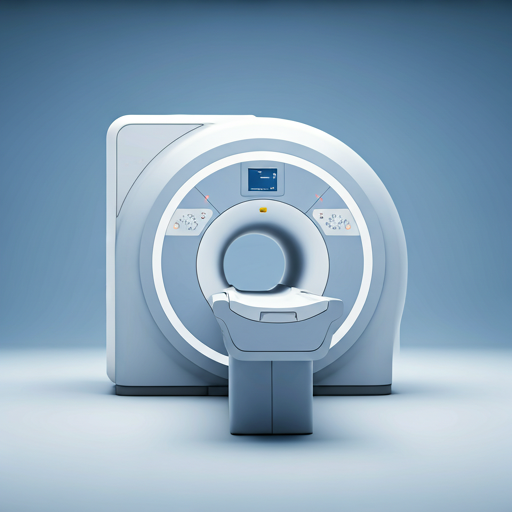
Magnetic Resonance Imaging (MRI) has revolutionized the way we diagnose and treat musculoskeletal (MSK) disorders. Over the last decade, the leap from standard imaging to high-resolution, multi-parametric assessments has allowed radiologists to visualize intricate details of joint anatomy with unprecedented clarity.
Precision in Diagnostics
The shift toward 3T and even 7T imaging systems has fundamentally changed the clinical approach to MSK pathology. High-field MRI offers a superior signal-to-noise ratio, enabling thinner slices and higher spatial resolution. This is particularly critical in identifying small ligamentous tears in the wrist or subtle cartilage defects in the knee that were previously difficult to capture.
Future Outlook
Looking ahead, the integration of Artificial Intelligence (AI) and machine learning into the radiological workflow promises to further enhance diagnostic accuracy. AI-driven reconstruction algorithms are already reducing scan times while maintaining image quality, a crucial advancement for patient comfort and throughput in busy radiological clinics.