News / Events
What is Pharmaceutical Calibration and Why Is It Important?
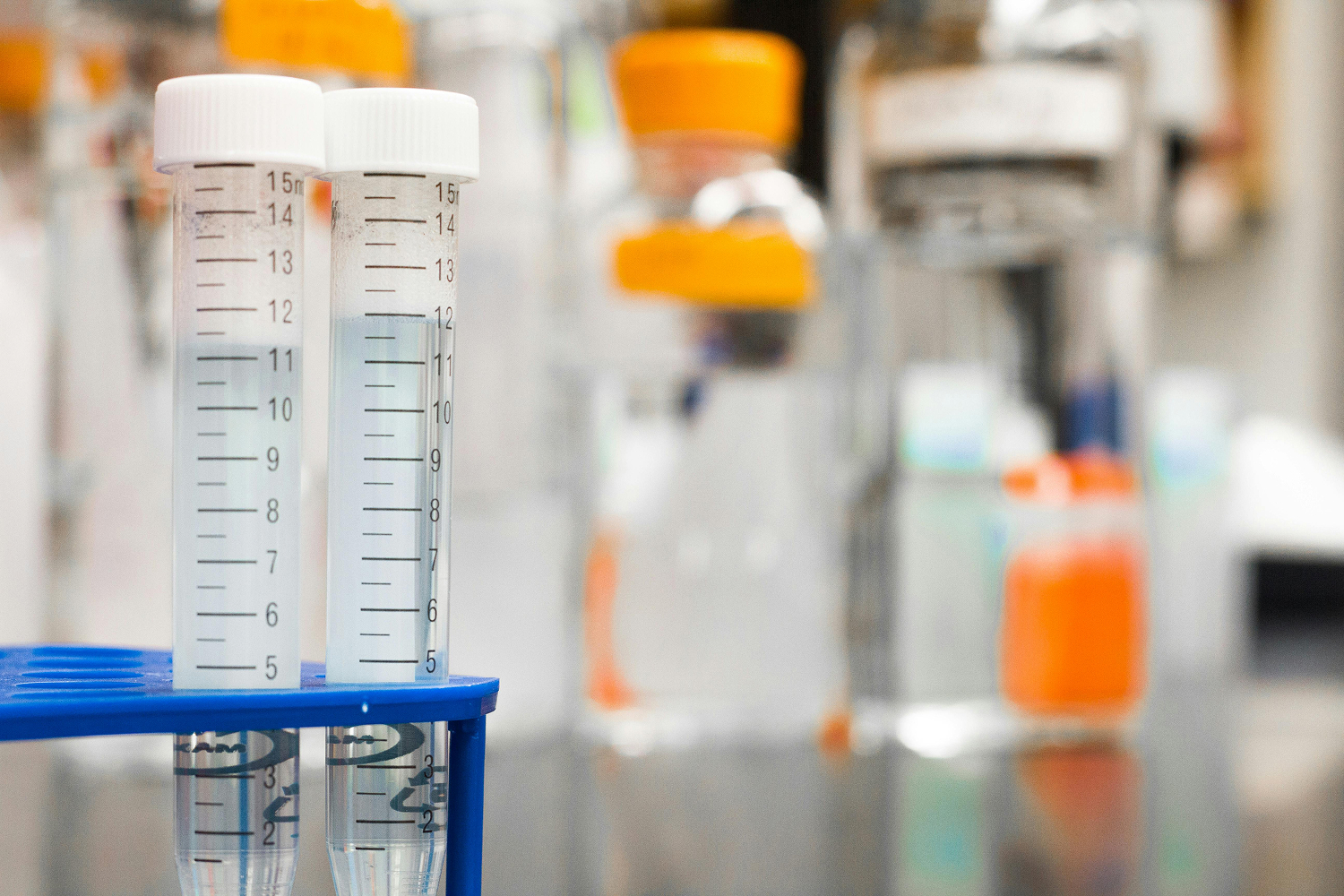
If there is one thing that every pharmaceutical company should never compromise on, it is the quality of their products. Even a tiny variance can lead to life-threatening situations for the users. To ensure the high quality of the end products, all pharma companies must ensure that all of their equipment is well calibrated. At the same time, they must have confidence in the performance and results of the instruments they use to calibrate their manufacturing equipment.
This is where accredited calibration labs come in. These labs ensure that the equipment in pharmaceutical companies is calibrated as per the required standards, which can produce products that match the pharmaceutical quality as set by the regulatory bodies. You will see a distinct difference in the quality and accuracy of the calibration services provided by accredited and non-accredited calibration laboratories. Let’s see what the pharmaceutical companies are subjected to, so that they can deliver high-quality products.
Primary Principles Employed in Pharmaceutical Companies
Pharma manufacturing standards need to undergo 3 principles to achieve high quality:
1. ValidationThis refers to the practice of documenting and proving that a procedure or process consistently leads to the expected results. This is a good manufacturing practice where data is collected and analyzed to verify that a process operates within the set parameters. The validation process is done to prove the consistency of the expected results of any process, procedure or method. Additionally, it verifies that the quality standards and compliance are being met by the products in real-time. The validation program assures that a pharmaceutical facility is meeting the pharmaceutical guidelines as set for the industry by the regulatory bodies.
2. QualificationThis refers to the practice of documenting and proving that a procedure or process consistently leads to the expected results. This is a good manufacturing practice where data is collected and analyzed to verify that a process operates within the set parameters. The validation process is done to prove the consistency of the expected results of any process, procedure or method. Additionally, it verifies that the quality standards and compliance are being met by the products in real-time. The validation program assures that a pharmaceutical facility is meeting the pharmaceutical guidelines as set for the industry by the regulatory bodies.
3. CalibrationThis refers to the process where you can determine if an instrument or device is producing accurate results within the specified limits when it is compared to traceable standards of measurement. This is important for justifying the processes of Qualification and Validation. In this article, we will focus on calibration and other elements associated with it..